

Table of Contents
1. Introduction
2. Historical Context of Civil–Military Relations in Nigeria
3. Why the Timing of the Reshuffle Matters
4. Ethnoreligious and Political Dimensions of Security Appointments
5. Implications for Governance and National Stability
6. Risks of Over-Politicizing the Armed Forces
7. Tinubu’s Strategic Calculations and Political Messaging
8. The Path Forward for Nigeria’s Democracy
9. Readability and SEO Analysis
1. Introduction
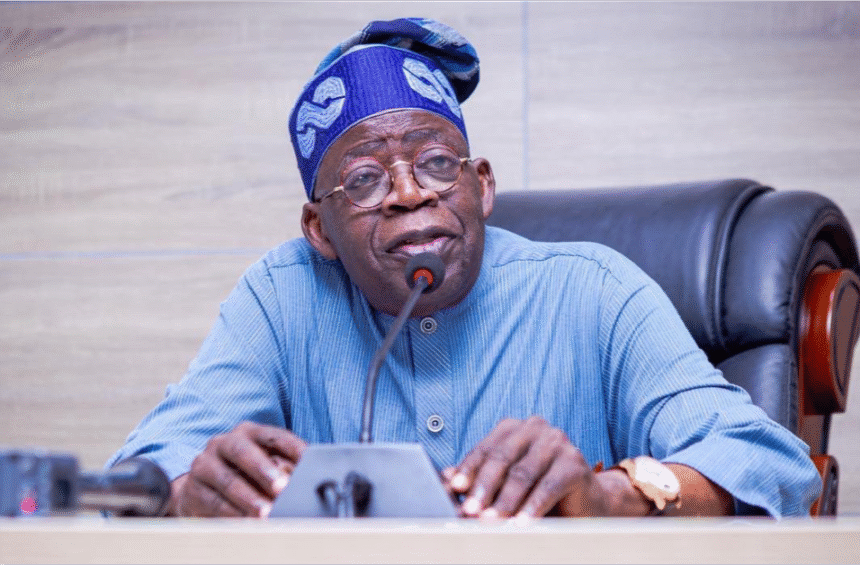
The decision by President Asiwaju Bola Ahmed Tinubu, the President and Commander-in-Chief of the Armed Forces of the Federal Republic of Nigeria, to replace the nation’s service chiefs on Friday, 24 October 2025, goes far beyond a routine administrative adjustment. It represents a strategic political move shaped by the complexities of Nigeria’s security environment, the nation’s long history of military influence in governance, and the current socio-political atmosphere. Since Nigeria’s independence, the fear of military intervention has remained a steady undercurrent in national politics. Even in the Fourth Republic, inaugurated in 1999, concerns about the armed forces’ loyalty and influence have persisted. Tinubu’s recent shake-up follows a long-established pattern in which presidents ensure that key security figures are trustworthy and aligned with their administration’s objectives. However, the timing and context of this reshuffle make it especially significant.
2. Historical Context of Civil–Military Relations in Nigeria
Since the early post-independence era, Nigeria has grappled with the daunting legacy of military rule. This history has shaped how political leaders relate to the armed forces. Civilian presidents have consistently sought to restructure military leadership to consolidate authority, discourage adventurism, and maintain control. Mass retirements, strategic promotions, and careful placements are familiar tools used to achieve this. Tinubu’s actions must therefore be viewed in light of this long-standing civil-military dynamic.
3. Why the Timing of the Reshuffle Matters
The reshuffle comes during a period of increased public frustration driven by economic hardship, insecurity, and political anxiety. Additionally, unverified rumours of internal discontent and whispers of a possible military putsch have circulated widely. Although neither the Federal Government nor the Defence Headquarters has confirmed any such plot, the environment remains sensitive. As a result, Tinubu’s move is widely interpreted as a pre-emptive signal designed to reinforce loyalty and avert any potential threat to democratic stability. By appointing a new cadre of trusted officers, he strengthens the chain of command at a critical moment.
4. Ethnoreligious and Political Dimensions of Security Appointments
In a country as diverse as Nigeria, the appointment of security chiefs carries deep symbolic and political meaning. Over the decades, leaders have attempted to balance ethnoreligious factors while ensuring that sensitive military positions remain in trusted hands. Tinubu’s decision to retain key figures from his geopolitical zone—the South-West—such as the Chief of Defence Staff, the Inspector General of Police, and the Director-General of the DSS, follows patterns familiar in Nigerian politics. Ensuring the Chief of Army Staff is someone he considers dependable reinforces the centrality of trust in Nigeria’s security governance.
5. Implications for Governance and National Stability
A cohesive and loyal military hierarchy can play a stabilizing role in times of national uncertainty. Unified leadership discourages adventurism, improves internal security response, boosts morale, and reassures both citizens and international partners of Nigeria’s commitment to steady governance. Tinubu’s choices can therefore help steady the state, provided the military remains professional and focused on constitutional mandates.
6. Risks of Over-Politicizing the Armed Forces
Despite the gains of loyalty, excessive political interference in security appointments can be harmful. When the military perceives appointments as ethnically skewed or based on loyalty rather than merit, morale and cohesion may deteriorate. Nigeria’s diversity—and its past experience with politically motivated military divisions—makes such risks particularly dangerous. The long-term credibility of the armed forces depends on maintaining a delicate balance between political trust and professional competence.
7. Tinubu’s Strategic Calculations and Political Messaging
Tinubu’s reshuffle is not merely administrative—it is symbolic. It signals authority, control, and intent. It communicates to political allies, opponents, and global observers that the president is firmly in charge of the nation’s security architecture. It also demonstrates an understanding of Nigeria’s fragile political environment and the importance of keeping the security apparatus aligned with democratic stability.
8. The Path Forward for Nigeria’s Democracy
For Tinubu’s strategy to produce lasting stability, his administration must complement security restructuring with tangible improvements in the lives of ordinary Nigerians. Economic hardship, insecurity, and political polarisation must be addressed with urgency. Political leaders—especially those in the opposition—also carry a responsibility to avoid coup-related rhetoric that may inflame tensions. Ultimately, the sustainability of Nigeria’s democracy will depend on how the new service chiefs perform and how the government responds to citizens’ needs.