


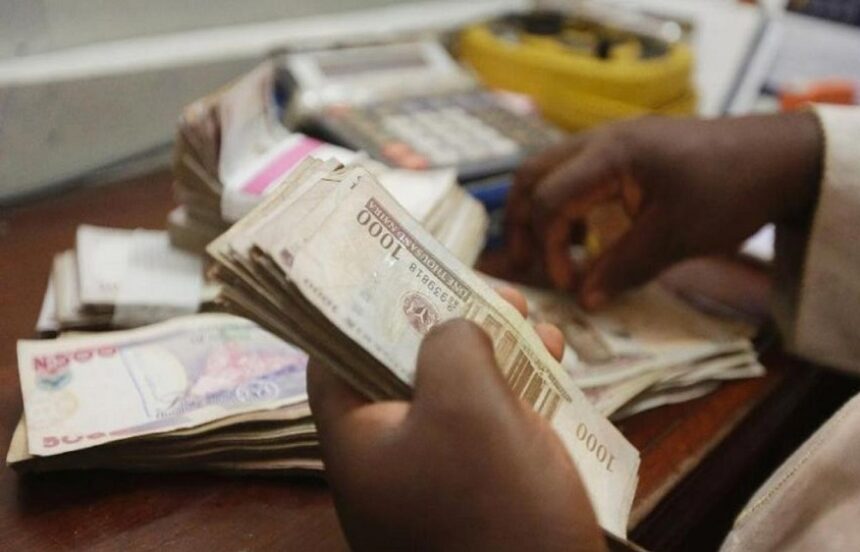
The recent announcement that Naira-denominated bank cards are now accepted for international transactions marks a significant milestone for Nigeria’s financial sector. This development is a breath of fresh air for the economy, signaling increased confidence in Nigeria’s monetary policies, a relatively stable exchange rate, and advancements in the digital payment ecosystem.
For years, Nigerians faced challenges when conducting international transactions. The reliance on domiciliary accounts, foreign currency procurement, or navigating the parallel market created barriers for individuals and businesses alike. With this new policy, Nigerians can now use locally issued debit or prepaid cards to pay for goods and services globally, eliminating the need for foreign currency accounts or manual currency exchanges.
Why This Development Matters
The acceptance of Naira cards for international transactions is more than just a convenience; it is a reflection of economic progress. Here’s why this change is significant:
- Ease of International Transactions
Nigerians can now shop online, pay for subscriptions, and conduct business transactions globally without the hassle of converting Naira to foreign currencies. This simplifies cross-border trade and opens doors for small businesses and entrepreneurs to expand their reach internationally. - Boost to Economic Confidence
The move signals the success of Nigeria’s economic reforms, particularly in monetary policy and exchange rate management. A stable Naira and improved digital payment systems inspire confidence among foreign investors, who may now view Nigeria as a more stable and attractive market. - Reduction in Parallel Market Dependency
Previously, the demand for foreign currencies in the parallel market was high due to limited access to official channels for international transactions. With Naira cards now accepted globally, this demand is expected to decrease, contributing to the stability of the Naira and reducing pressure on the foreign exchange market. - Encouragement for Financial Inclusion
This development promotes financial inclusion by enabling more Nigerians to participate in the global economy. Individuals who previously lacked access to domiciliary accounts can now use their regular bank cards for international payments, fostering greater economic participation.
Implications for Businesses and Consumers
For businesses, this change is a game-changer. Nigerian companies can now pay international suppliers, subscribe to global services, and invest in foreign markets with ease. This reduces operational costs and enhances efficiency, making Nigerian businesses more competitive on the global stage.
Consumers, on the other hand, benefit from the convenience of using their Naira cards for international purchases. Whether it’s paying for streaming services, buying products from international e-commerce platforms, or booking travel arrangements, the process is now seamless and straightforward.
Challenges and Considerations
While this development is promising, its success depends on sustained efforts to manage the policy effectively. Key considerations include:
- Exchange Rate Stability: Maintaining a stable exchange rate is crucial to ensure the affordability of international transactions for Nigerians.
- Banking Infrastructure: Banks must ensure their systems are robust enough to handle increased international transaction volumes.
- Consumer Awareness: Educating Nigerians about the benefits and usage of Naira cards for global transactions is essential to maximize adoption.
A Positive Signal to Foreign Investors
The acceptance of Naira cards globally sends a strong message to foreign investors about Nigeria’s economic stability and reform progress. It demonstrates the country’s commitment to creating a conducive environment for international trade and investment. This could attract more foreign direct investment (FDI), further boosting the economy.
Conclusion
The return of Naira cards to the global stage is a transformative development for Nigeria’s economy. It simplifies international transactions, reduces reliance on foreign currency, and signals the success of economic reforms. If managed effectively, this policy could pave the way for greater financial inclusion, economic stability, and increased foreign investment.
As Nigeria continues to embrace digital payment solutions and strengthen its monetary policies, the future looks promising. The acceptance of Naira cards globally is not just a financial milestone—it is a testament to the country’s resilience and commitment to economic growth.